
How UK Casino Operators Are Going Global in 2026
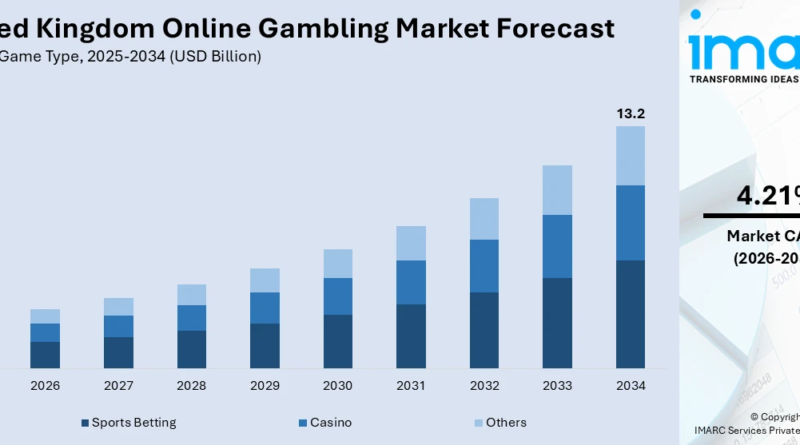
As the UK’s domestic market reaches saturation, our team at muslimsandtheworld.com observes a bold new wave of international expansion from British casino and iGaming giants. This strategic pivot, unfolding across both physical and digital realms, represents a fundamental shift for an industry long synonymous with the British high street and the plush interiors of London’s elite gaming rooms. In 2026, the mission is clear: to plant the Union Jack firmly in new territories, leveraging British brand prestige, technological prowess, and decades of operational experience to capture growth where it is most abundant.
The Driving Forces Behind the 2026 Global Push
This outward surge is not born of mere ambition but of pressing necessity. A confluence of factors within the United Kingdom is compelling operators to look beyond their home shores, transforming internationalisation from a growth strategy into a core component of corporate survival. Understanding these drivers is key to decoding the industry’s global manoeuvres.
Saturation in the Domestic UK Market
The UK’s gambling landscape is one of the world’s most mature and competitive. With a high density of both online operators and land-based venues, acquiring new customers domestically has become increasingly difficult and expensive. Market leaders like Flutter Entertainment and Entain have largely maximised their penetration, leading to incremental growth at best. This saturation forces a fundamental question: where can sustainable, high-margin growth be found? The unanimous answer, shaping 2026 strategy, lies in untapped and newly liberalising international markets.
Navigating Evolving UK Gambling Regulation
Simultaneously, the regulatory environment at home continues to tighten. The Gambling Commission is implementing stricter rules on affordability checks, marketing, and game design, aimed at enhancing consumer protection. While vital for a safe market, these measures inevitably increase operational complexity and cost for UK-licensed operators. For publicly traded giants, this regulatory pressure squeezes profitability and heightens the appeal of jurisdictions with different, often more commercially focused, regulatory frameworks. The global push is, in part, a strategic diversification to mitigate regulatory risk concentrated in a single market.
Mayfair’s Blueprint: Luxury Exports and High-Net-Worth Markets
While iGaming brands conquer digital frontiers, a different but equally deliberate expansion is being orchestrated from London’s most prestigious postcode. Mayfair’s legendary casinos are not merely venues; they are institutions of British luxury, and their model is proving to be a potent export.
The Brand Power of British Luxury
Names like The Clermont Club and The Ritz Club carry an immense weight of heritage, discretion, and exclusivity. This brand equity, built over decades, translates seamlessly across borders, appealing to a global elite who view British luxury as a universal currency of status. The expansion strategy is not about volume but about value, meticulously transplanting the Mayfair ethos—private gaming salons, impeccable service, and a rarefied social atmosphere—to select global capitals.
Targeting Global Hubs for the Ultra-Wealthy
The targets for this blueprint are predictably exclusive. Operators are focusing on cosmopolitan hubs with concentrated ultra-high-net-worth individuals and a legal framework for high-stakes gaming. Key markets include:
- Monaco: A natural extension of the European luxury circuit.
- The UAE: Particularly in the Emirates with evolving regulatory landscapes, targeting international visitors and residents.
- Singapore: Home to one of the world’s most successful integrated resort models, attracting the Asian wealth demographic.
This expansion often takes the form of management contracts, branding partnerships, or discreet, members-only satellite establishments, allowing the Mayfair mystique to generate revenue far from Berkeley Square.
iGaming’s Digital Frontier: Key Markets for UK Brands
The digital arm of the British gambling industry is leading the charge, deploying capital and technology with precision. UK iGaming’s international playbook for 2026 is focused on a clear set of geographic priorities where regulatory gates are opening.
Capitalising on US and Canadian Liberalisation
The post-PASPA landscape in the United States remains the single largest prize. UK operators, armed with sophisticated tech stacks and marketing expertise honed in the competitive UK market, are deeply entrenched in the race for state-by-state dominance. Similarly, Canada’s province-led regulation, particularly in the mature market of Ontario, Canada, has created a gold rush. Brands like Bet365 and those under the Flutter Entertainment umbrella are investing heavily in localised offerings to capture market share in these newly accessible, sports-obsessed regions.
The LatAm and European Growth Hotspots
Beyond North America, two regions stand out. Latin America, with its young, digitally-savvy population and progressive regulation in countries like Brazil and Mexico, is a major growth frontier. Meanwhile, in Europe, markets such as the Netherlands, Germany, and newly regulated jurisdictions in Eastern Europe continue to offer scalable opportunities for established UK brands like 888 Holdings, which can leverage their EU licensing and operational experience.
Strategic Models: Partnerships, M&A, and Greenfield Projects
Entering a new market is fraught with complexity. UK operators are employing a versatile toolkit of entry strategies, choosing their approach based on local regulations, competition, and capital considerations.
The Partnership Pathway
In markets with complex licensing or strong incumbent players, partnerships are a favoured route. This is especially true in the United States, where joint ventures with established land-based casino operators or tribal entities are often a regulatory and practical necessity. This model provides local market knowledge, an existing customer base, and crucial licensing access, allowing the UK brand to supply its technology and gaming product.
Acquisitions and Organic Launches
When speed to market and market share are critical, acquisition becomes the tool of choice. Purchasing a locally licensed operator provides an instant foothold, as seen in numerous deals across Europe and the Americas. Conversely, in less cluttered or digitally nascent markets, a greenfield launch—introducing a proprietary platform under the UK brand’s own banner—allows for full control over customer experience and brand positioning, albeit with higher risk and longer lead times.
Challenges and Regulatory Hurdles on the World Stage
Success abroad is far from guaranteed. The path is littered with formidable obstacles that test the mettle of even the most seasoned UK operators.
A Labyrinth of Local Licensing
Navigating the global regulatory patchwork is a monumental task. Each jurisdiction, from a U.S. state to a Canadian province like Ontario, Canada, has its own unique licensing process, tax regime, and technical standards. The cost and administrative burden of securing and maintaining multiple licenses are significant, requiring dedicated legal teams and a flexible operational structure to ensure compliance across borders.
Cultural Nuances and Brand Adaptation
Beyond the legal framework, cultural missteps can derail a launch. A marketing campaign that works in the UK may fall flat or even offend in Asia or Latin America. Payment method preferences, popular sports, and even game design tastes vary dramatically. UK brands must move beyond simple translation to deep localisation, adapting their offering to resonate with local consumers while fending off entrenched domestic competitors who already have that cultural understanding.
For UK casino and iGaming operators, the international expansion drive of 2026 is no longer a speculative side-project; it is an imperative for survival and growth. From the luxury export of the Mayfair model to the digital conquests of FTSE-listed giants, the industry is betting its future on a globalised vision. While the challenges of regulation and cultural adaptation are immense, the potential rewards—access to vibrant new customer bases and diversification from a saturated home market—are compelling the British gambling industry to reimagine its boundaries and stake its claim on the world stage.